Atrial fibrillation is one of the most common cardiovascular conditions encountered in clinical practice, yet managing it well is becoming increasingly complex.

Clinicians are navigating evolving evidence, expanding treatment options, competing priorities, multimorbidity, workforce pressures, and growing patient expectations.

At the same time, we know what is possible. Effective stroke prevention, symptom management, risk factor modification, and integrated care can dramatically improve both longevity and quality of life for people living with AF.

The challenge is bridging the gap between what is possible and what patients actually experience.

The Atrial Fibrillation Practice Intensive will run over five weeks, covering a new topic each week.

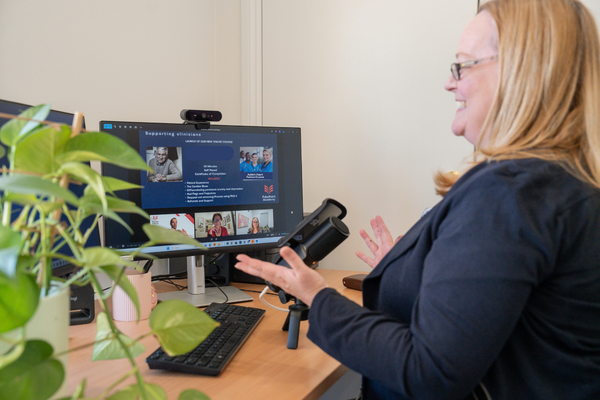
Dr Jennifer Coller will host weekly, short live webinars. Together, the topics are designed to help clinicians move beyond guideline knowledge and explore how to deliver meaningful, sustainable, person-centred AF care in the real world.

  • The North Star of AF Care
    What are we ultimately trying to achieve for people living with atrial fibrillation? This session explores the long-term journey of AF and considers outcomes that matter most to patients
    Date TBC, 6.30pm (AEST)

  • Understanding the Reality Gap
    If we know what great AF care looks like, why do so many patients still miss out? This session explores the barriers that prevent patients from achieving optimal outcomes.
    Date TBC, 6.30pm (AEST)

  • Aligning Care with What Matters to Patients
    How do we ensure our treatment decisions reflect what matters most to the person in front of us?
    Date TBC, 6.30pm (AEST)

  • Durable Care: Sustaining Ourselves to Sustain Patient Care
    AF management is increasingly complex. To provide excellent care over the long term, healthcare professionals must also consider their own sustainability.
    Date TBC, 6.30pm (AEST)

  • Building Systems that Support Better Outcomes
    How do we make great AF care easier to deliver? The final session shifts from individual clinicians to the healthcare systems.
    Date TBC, 6.30pm (AEST)

Guest Speakers

This Intensive is ideal for clinicians and health professionals involved in cardiovascular and chronic disease care, including:

  • Nurses

    working in cardiac rehabilitation, complex care, community, or outpatient settings

  • General Practitioners

    with an interest in chronic and cardiovascular care

  • Allied Health Professionals

    involved in team-based care

  • Nurse Practitioners

What's included?

Enrolling into the Atrial Fibrillation Practice Intensive will include:

  • Weekly webinars

    A 30-35 minute weekly webinar for five consecutive weeks, hosted on Webinar Ninja, led by Dr Jennifer Coller, alongside guest speakers.

    Each session will be recorded for flexible access. Live attendance is optional.

  • Workbook

    A dedicated digital workbook to download that includes weekly reflective practice prompts. The workbook is:

    • A thinking tool, not homework

    • A place for notes, sketches, and reflection.

  • Online community

    Access to a dedicated online community space for all Atrial Fibrillation Practice Intensive participants.

    Engage in the online community discussion to share resources, discuss challenges, and reduce professional isolation.

    Participation is optional.

What makes this different from an online course?

The Atrial Fibrillation Health Practice Intensive is a facilitated practice-change program, NOT a self-paced course.

  • You will be supported to:

  • Apply learning directly to your own clinical context.

  • Reflect on clinical decision-making and areas of uncertainty.

  • Explore models of care that support sustainability.

  • Consider equity, access, and system constraints in everyday practice.

  • The pace is deliberate and supportive. The goal is not to rush or overwhelm, but to create learning that can be realistically integrated into everyday clinical practice.

  • N.B. It is expected that most participants will invest approximately 45–75 minutes per week to the Practice Intensive. The structure is intentionally designed to fit around real clinical workloads.